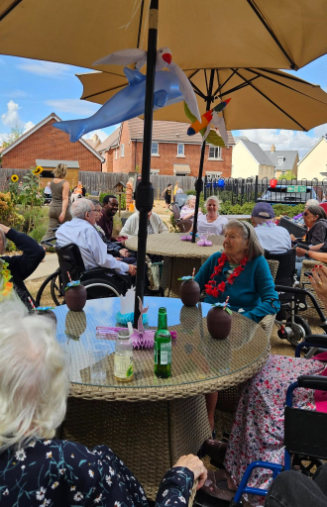
When looking for care for an older relative, families may come across the term ‘person-centred care’ quite often. But what does it actually mean, and how does it affect the care someone receives?
At its heart, person-centred care means recognising that every person is different. Their care should reflect their individual needs, preferences, routines, interests and wishes, rather than treating everyone in the same way. A person-centred care plan is one of the main ways this approach is put into practice in a care home.
For families considering care homes in Biggleswade or elsewhere in Bedfordshire, understanding how care plans work can provide useful insight into what day-to-day support might look like.
What Is a Person-Centred Care Plan?
A person-centred care plan is a record of an individual's care and support needs, alongside the information that helps a care team understand them as a person.
It can include practical information about someone's health and personal care, but it should also go beyond these areas. Their usual routines, likes and dislikes, hobbies, relationships, communication preferences and important aspects of their personal history can all help staff provide care that feels more personal.
Rather than being a fixed document that simply records what support someone needs, a care plan should reflect the individual and provide guidance for the people supporting them.


What Information Is Included in a Care Plan?
The exact contents of a care plan will vary depending on the individual. Someone with complex health needs may require detailed information about their medical and nursing support, while another person may need more assistance with everyday personal care.
A care plan can cover areas such as mobility, nutrition, personal care, medication, communication and emotional wellbeing. It may also record information about a person's daily routines, interests, preferences and the things that are important to them.
For example, knowing that someone likes to have a cup of tea at a particular time, enjoys listening to certain music or prefers to have some quiet time in the afternoon can help staff understand how to make their day more comfortable.
These smaller details can be just as important as the practical aspects of care because they help staff see the person behind their care needs.
How Do Residents and Families Contribute?
Person-centred care works best when the individual receiving care is involved in decisions about their support wherever possible.
Before someone moves into a care home, conversations with them and their family can help build a picture of their life and what matters to them. This might include their previous work, family life, hobbies, favourite foods, important relationships or routines they have followed for many years.
Families can be particularly helpful in sharing information that their loved one may not think to mention themselves. They may know what helps them feel comfortable, what they enjoy talking about or how they usually respond to different situations.
As care continues, residents and their families can also provide feedback about what is working well and whether anything needs to change.
Why Do Personal Preferences Matter?
Moving into a care home can involve a significant change in someone's everyday routine. Maintaining familiar habits and preferences can help make this transition feel more comfortable.
Person-centred care does not mean that every part of the day has to follow a strict routine. Instead, it allows support to be shaped around the individual as much as possible.
Someone may prefer to get up later in the morning, enjoy breakfast in a particular way or spend time reading before joining others in a communal area. Another person may prefer to be more active and social throughout the day.
Recognising these differences helps ensure that care is about supporting someone's lifestyle rather than simply completing a list of tasks.

Supporting Choice and Independence
A person-centred care plan can also help support independence.
Independence does not necessarily mean doing everything without assistance. For someone living in a care home, it can mean having opportunities to make choices and continue doing the things they are able and willing to do.
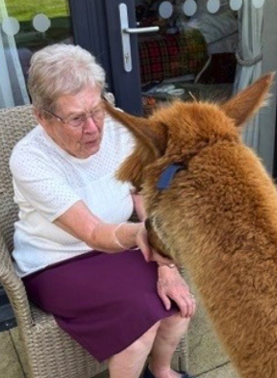
This could be choosing what to wear, deciding what activity to take part in, helping with a familiar household task or choosing where to spend time during the day.
A care plan can help staff understand where a person needs support and where they would prefer to do things for themselves. This can help strike a balance between providing appropriate care and maintaining a person's sense of choice and control.
How Care Plans Adapt as Needs Change
A person's care needs can change over time. An individual may become less mobile, develop new health needs or require additional support with everyday tasks.
A person-centred approach recognises that a care plan should not remain unchanged when someone's circumstances have changed. Reviewing and updating care plans helps ensure that the support being provided continues to reflect the person's current needs and preferences.
Changes do not always have to be related to physical health. Someone's interests, relationships, confidence or emotional wellbeing can change too, and these can all be relevant when considering their overall care and quality of life.
Why Communication With Families Matters
For many families, moving a loved one into a care home can bring questions about how they will settle and whether their individual needs will continue to be understood.
Good communication can help provide reassurance. Families may have valuable information about changes they have noticed, while care teams can share how someone is settling into their new surroundings and how their support is developing.
Keeping these conversations open can also help everyone work together when a person's needs change. A care plan provides an important reference point, but person-centred care is ultimately about the ongoing relationship between the resident, their family and the people supporting them.

Person-Centred Care at Penrose Court
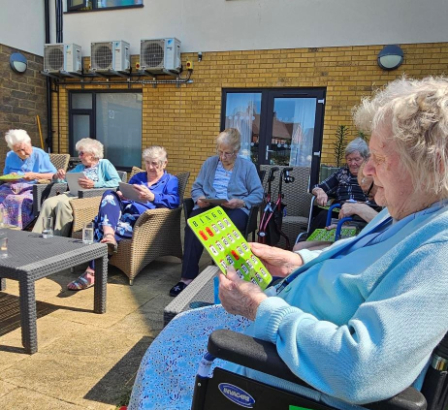
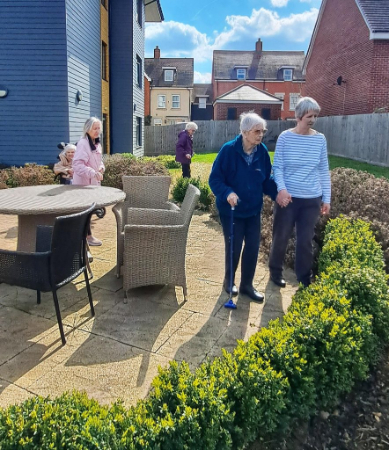
At Penrose Court Care Home in Biggleswade, care is centred around the individual. Each resident has their own needs, preferences and routines, and these form an important part of understanding how best to support them.
For families researching care homes in Biggleswade, asking how a care home creates and reviews person-centred care plans can be a useful part of choosing somewhere that feels right. It can also be helpful to ask how residents and their families are involved, how personal preferences are recorded and how support changes when needs develop.
A care plan is much more than a document. When used as part of a genuinely person-centred approach, it can help ensure that the support someone receives reflects who they are, what matters to them and how they want to live their life.
Understanding Care Before Making a Decision
There can be a lot to consider when looking for care for yourself or someone you love. Understanding how care plans work is one part of getting a clearer picture of what life in a care home could look like.
If you are considering care in Biggleswade, taking time to speak with a care home team and ask questions can help you understand how individual needs and preferences would be supported. A visit can also give you and your family an opportunity to see the environment, meet the team and talk through any concerns you may have.