The Benefits of Pet Therapy in Care Homes
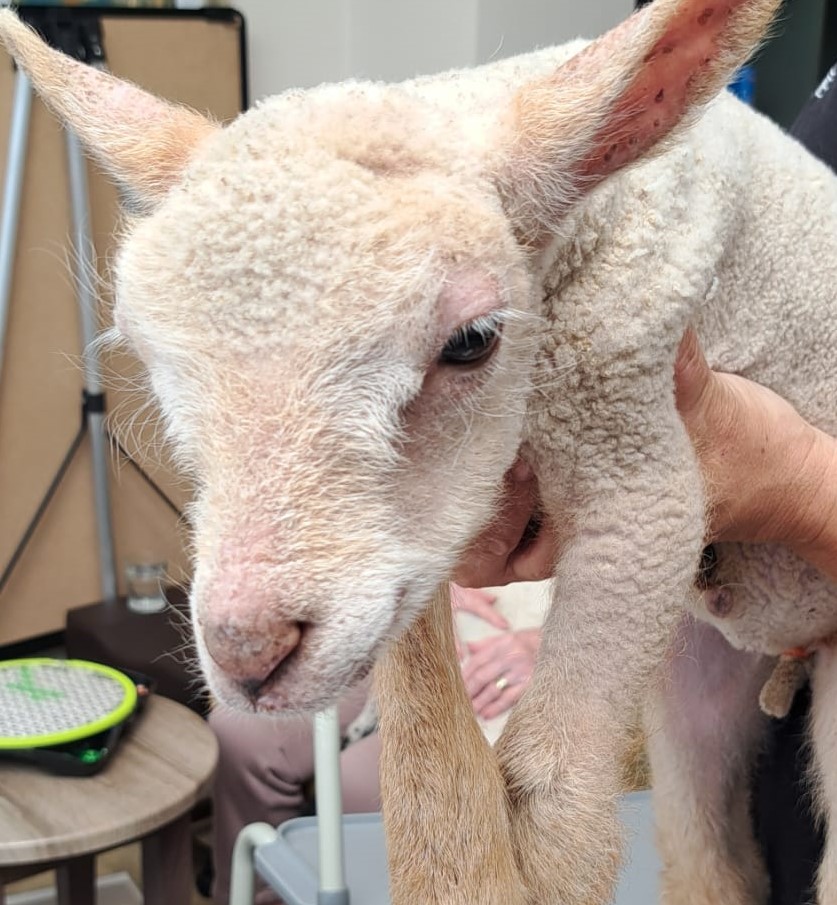
As people grow older, their emotional and physical needs can change. Companionship, comfort and a strong sense of purpose become more important than ever. One increasingly popular way to support wellbeing in later life is pet therapy. The soft fur of a dog, the gentle purr of a cat or even the playful curiosity of a rabbit can make a huge difference to someone’s day. Animals have a natural ability to calm the mind, lift spirits and create joyful moments that feel effortless and familiar.
Pet therapy has become a treasured part of many care homes across the UK because animals can do what medication and routines sometimes cannot. They are friendly, loving and full of warmth. Their presence brings a feeling of calm and connection that resonates deeply with people of all ages, especially older adults.
This guide explores how pet therapy works, why it is so effective and the many ways it can support happiness, health and dignity in care home living.
So, What Is Pet Therapy?
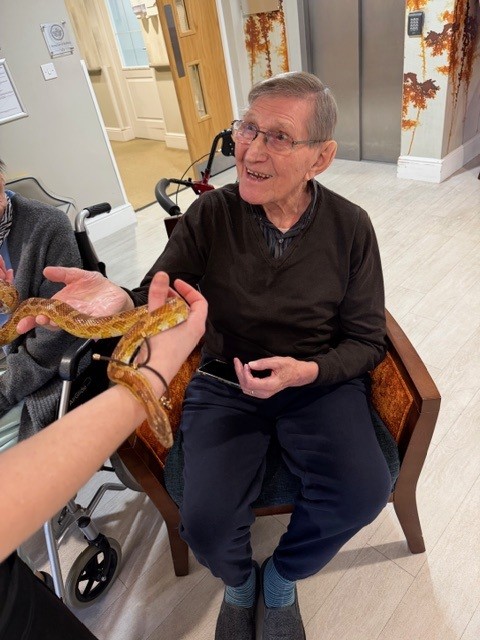
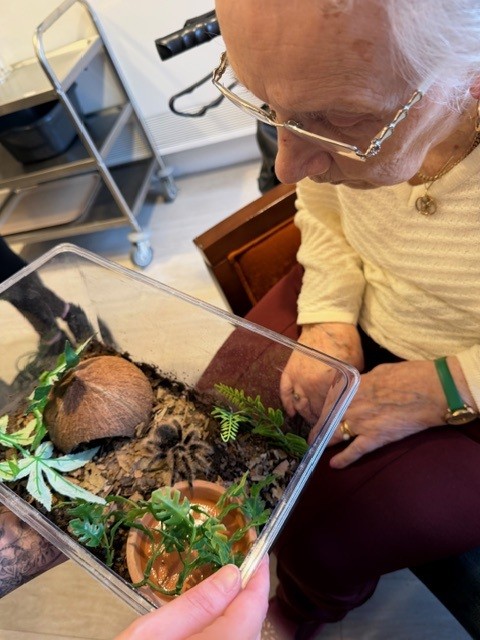
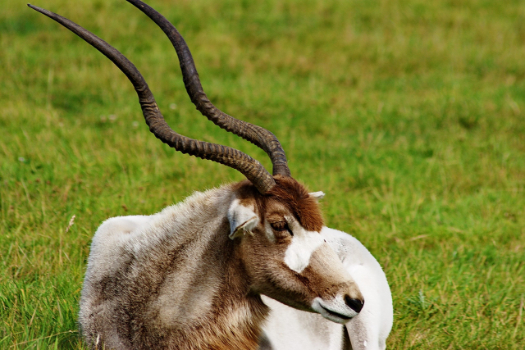
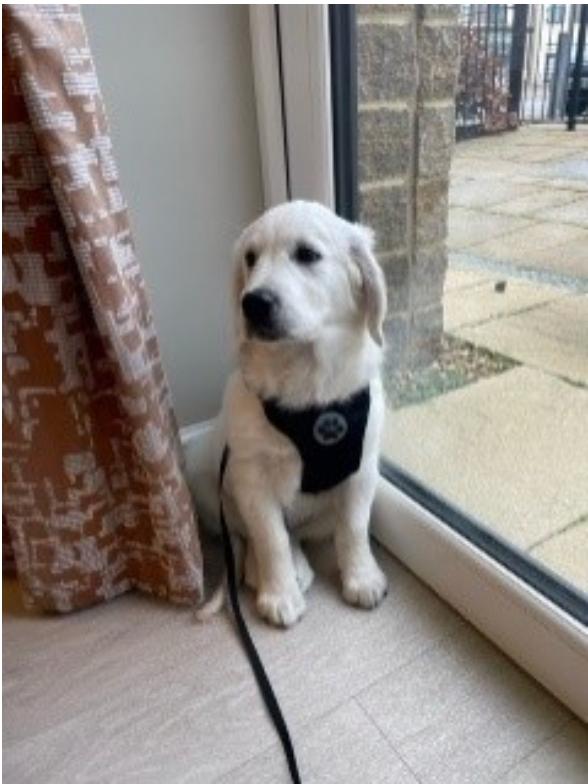
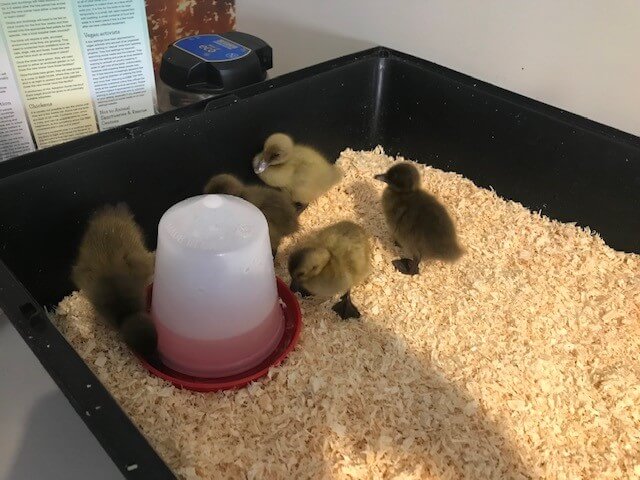
Pet therapy, sometimes called animal-assisted therapy, involves trained animals visiting residents in a supportive and structured way. These sessions are carefully planned by professionals to help with emotional wellbeing, social interaction or gentle physical activity. Dogs are the most common therapy animals, though cats, guinea pigs and even miniature farm animals are also used.
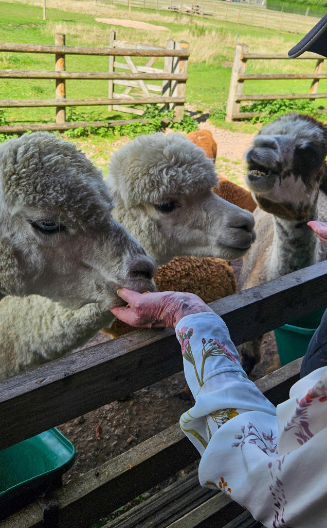
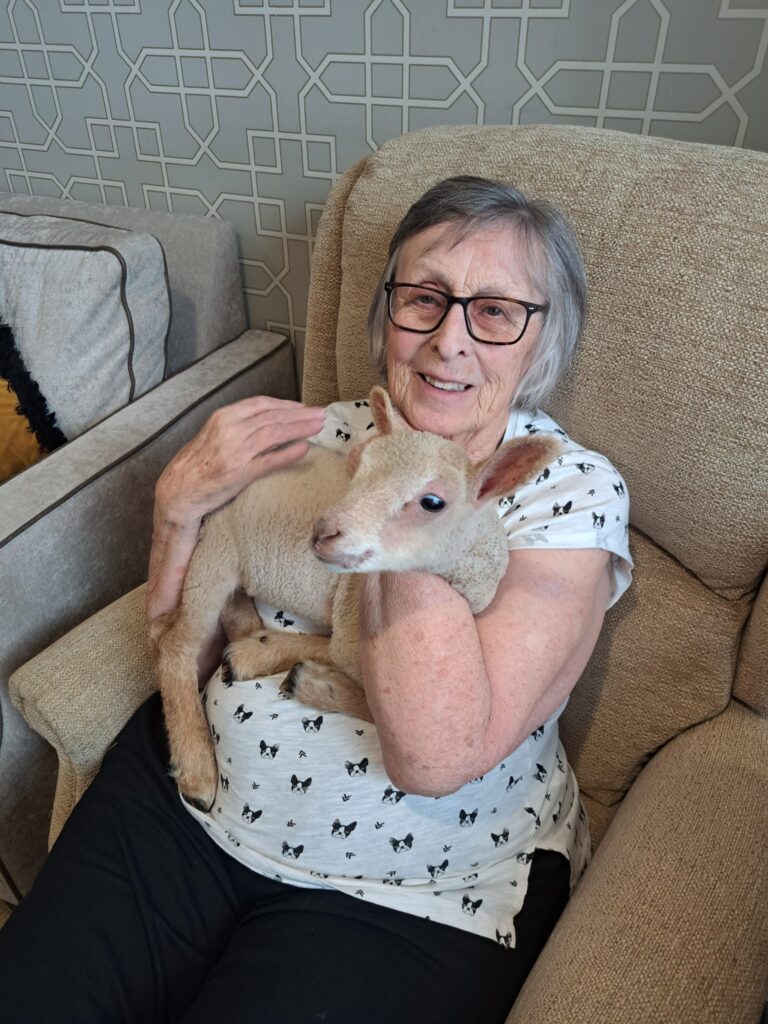
The goal is not to demand attention or energy but to offer comfort, interaction and a sense of companionship. Even a small moment, such as a dog resting its head on a resident’s lap, can feel hugely meaningful.
Why Animals Make Such a Difference
Animals connect with people on a natural, instinctive level. They do not judge, they do not rush and they do not expect anything in return. This makes them wonderful companions for those who may feel lonely or anxious. Their presence helps reduce stress and encourages a more positive emotional state.
Research shows that stroking an animal can lower cortisol, the body’s stress hormone, while increasing oxytocin which supports feelings of trust and wellbeing. Little moments like these can help someone feel calmer, more secure and more emotionally balanced.
Boosting Mood and Supporting Mental Health
Ageing can come with emotional challenges such as isolation, low self-esteem or memories of loss. Pet therapy offers a comforting escape from these worries. Those living with depression or anxiety often find joy in the playful and affectionate behaviour of animals.
Even residents who may be less confident in social settings often feel encouraged to communicate when a friendly dog or cat is nearby. Laughter and conversation begin to flow, and relationships within the care home community grow stronger as a result.
Gentle Physical Benefits That Feel Natural
Movement does not always need to feel like exercise. Playing with a small animal, brushing its fur or reaching out to touch a soft paw can help keep joints and muscles active. These simple interactions can improve mobility and flexibility without pressure.
Pet therapy also supports heart health. By reducing stress and promoting relaxation, regular sessions can help lower blood pressure and improve cardiovascular wellbeing.
Encouraging Social Interaction and Shared Happiness
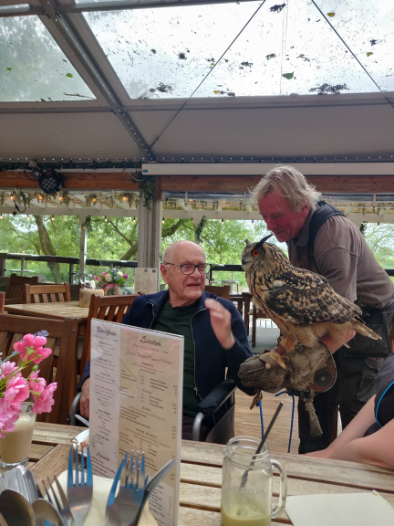
A therapy animal visit is often the highlight of the week for many residents. People gather, chat and share memories of pets they loved throughout their lives. It creates excitement and builds connections that may not happen naturally during quieter times.
For those who have withdrawn or feel uncertain in social situations, an animal provides a comforting focus. Residents bond over the moment, and friendships become stronger.
Comforting Connection for Residents with Dementia
People living with dementia often respond especially well to animal interaction. A soft animal sitting beside them can bring reassurance during moments of confusion or anxiety. Familiar sensations, like stroking fur, can spark recognition and positive memories that feel soothing and personal.
Animals can also encourage communication when words are difficult to form. Their companionship helps individuals remain connected to the world around them and experience moments of joy and calm.
Looking After the Animals Too
The wellbeing and comfort of therapy animals is just as important as that of the residents. All animals involved in therapy sessions are carefully trained and monitored by professionals who ensure hygiene, safety and kindness are prioritised at all times.
This means everyone, including the animals, can enjoy each session in a secure and nurturing environment.
A Holistic Approach to Care at Penrose Court Care Home
Pet therapy is one of the many ways we help residents at Penrose Court Care Home in Biggleswade feel happy, supported and fulfilled. We believe in caring for the whole person. Alongside high quality nursing and personal support, we focus on emotional wellness, social connection and meaningful activities that bring joy to everyday life.
Many residents tell us that time spent with therapy animals reminds them of home, family and cherished memories. Seeing those smiles is exactly why we include pet therapy as part of our broader approach to enriching later life.
If you or your loved one would like to experience the warm and friendly community at Penrose Court, our team would be delighted to welcome you. We are here to help you make the right choice for future care, and we encourage families to arrange a visit to see everything we offer. Get in touch today.